
How to Capture Stunning Wildlife Photos in Australia's Diverse Landscapes
Preparing for the Adventure
Planning an extraordinary excursion into nature requires thoughtful preparation. As a wildlife photographer, gearing up accurately isn't just about equipment; it entails an insightful understanding of the landscapes you’re venturing into. Before heading on an African safari or embarking on a journey across vibrant South America tours, it’s vital to equip yourself not just physically but mentally.
Choosing the Right Gear
Start with selecting the perfect gear: a robust camera with a versatile lens suited for capturing wide landscapes and close-up wildlife shots. Investing in a sturdy tripod and weather-resistant backpack is also essential. I once discovered while photographing at the Brisbane Botanic Gardens, that having the right gear not only ensures stability and protection but also boosts your confidence allowing for more creative freedom.
Understanding Wildlife Behaviour
When it comes to understanding wildlife behaviour, knowledge is power. Keep a keen eye out and respect natural habitats. Whether observing kangaroos in Australia or exotic species during South America travel, learning about the animals' habits and patterns enriches your perspective and results in more impactful images.
Weather and Timing
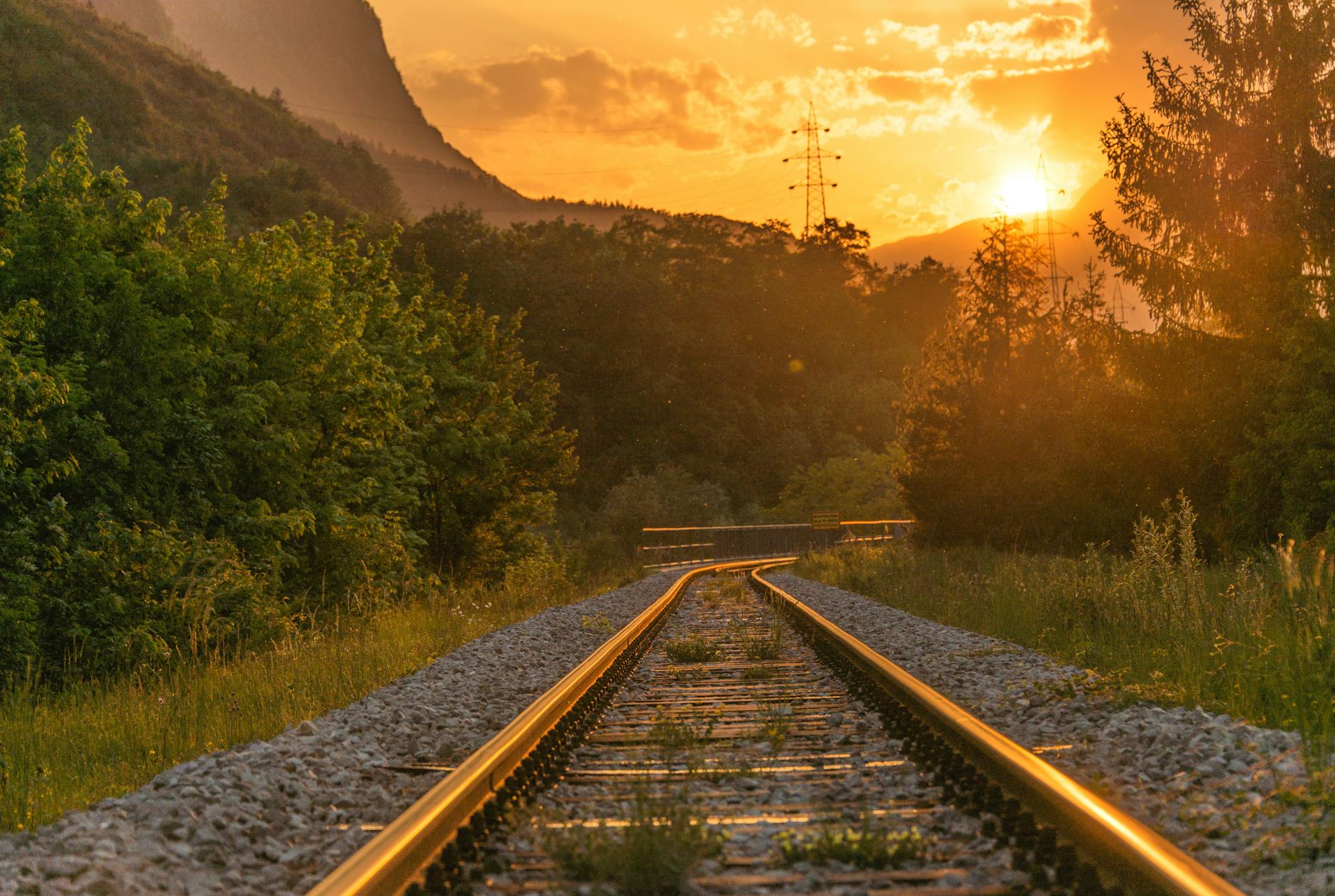
Timing is everything. Perfecting your itinerary involves understanding weather patterns, as they vary remarkably between regions. Planning your shoots during optimal conditions, like the golden hour, enhances your shots' aesthetic quality. During a recent visit to a photography exhibition at the Queensland Art Gallery, a specialist emphasized how crucial it is to be aware of these factors to capture the true essence of a location.
Arming yourself with the right gear, knowledge of wildlife behaviour, and awareness of weather conditions transforms every adventure into a rewarding photographic journey.
Exploring Diverse Landscapes
Embarking on a journey through the world's diverse landscapes is a thrilling experience, akin to walking through a live exhibition at the Lone Pine Koala Sanctuary. From the scenic views of South American tours to the striking terrains of South Africa tours, each region offers unique environments and opportunities for capturing nature's beauty. A particularly memorable expedition involved a Galapagos cruise, where the harmony between vast oceanic stretches and rugged islands painted an unforgettable natural tapestry.
Coastal Habitats
Coastal habitats are vibrant arenas that promise dynamic photographic opportunities. The interplay of water and shoreline creates stunning scenes, often bustling with wildlife. During a visit to the Queensland coast, the morning light bouncing off the waves provided an ideal setting for capturing images full of life and vibrancy.
Desert and Outback
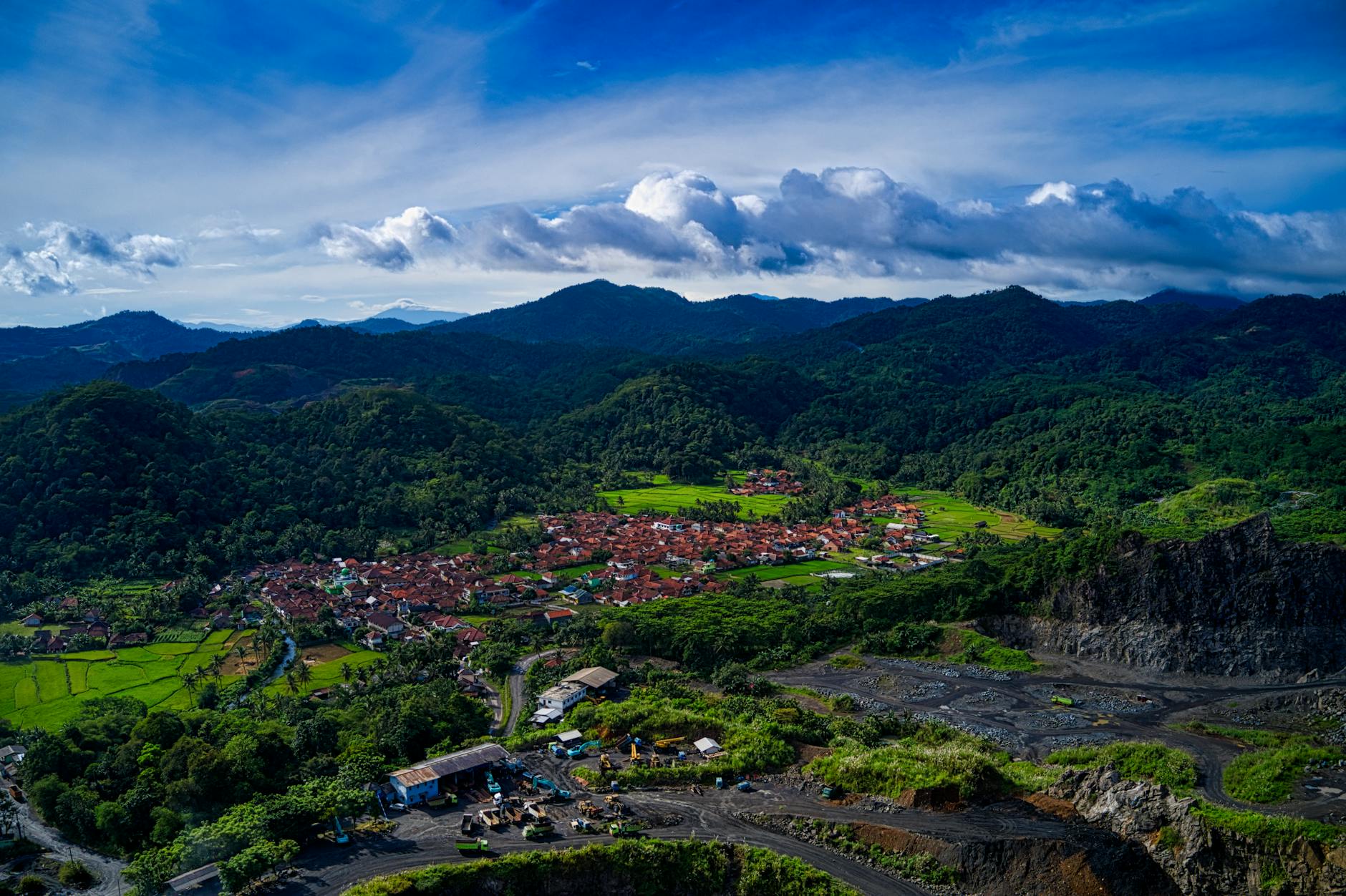
Deserts and outbacks present another fascinating landscape, offering stark contrasts, captivating textures, and an unparalleled palette of earthy tones. In Australia’s outback, a setting sun against the red terrain provided some of the most breathtaking scenes, recalling the rugged beauty many photographers seek. These regions challenge one’s photographic skills but deliver unmatched rewards in image depth and storytelling.
Rainforest Regions
Rainforests are the ultimate test for capturing movement and light, not unlike a challenging workshop at the Brisbane Botanic Gardens. Their dense canopies and fleeting wildlife require keen awareness and quick reflexes to seize the perfect shot. My time in a South American rainforest taught me the value of patience and adaptability in such dynamic and richly textured environments.
Mastering Photography Techniques
Composition and Framing
Understanding composition and framing can transform a mundane photo into a captivating piece. When I'm on one of the mesmerising Galapagos Islands tours, I focus on leading lines and the rule of thirds to draw attention to my subjects, such as a curious iguana basking in the sun. Whether I'm embarking on other Central America tours or exploring the local wildlife at Queensland Art Gallery exhibitions, framing my shots to include both the enchanting subjects and their habitats gives depth and interest.
Camera Settings for Wildlife
Settings make all the difference when capturing wildlife moments. I usually rely on a fast shutter speed to freeze action—essential when documenting agile Lemurs flipping through the Brisbane Botanic Gardens. Aperture control is also crucial, as I balance the need for a sharp focus on a distant bird with a softly blurred backdrop. Adjusting ISO for low-light scenarios, like dusk at Lone Pine Koala Sanctuary, helps maintain image clarity without adding unwanted grain.
Capturing Movement
Capturing movement in wildlife photography is both an art and a science. I often use a panning technique to blur the background while keeping a moving subject like a kangaroo sharp and vivid. Patience and preparation play a significant role, especially during unexpected wildlife behaviour. Whether I'm capturing the dance of a bird or the sudden leap of a wallaby, anticipating movement with a continuous shooting mode ensures each fleeting moment is secured in my lens.
Ethical Wildlife Photography
Respecting Animal Spaces
As we wander through nature with our cameras, it's crucial to remember the significance of maintaining a respectful distance from the wildlife we aim to photograph. I've learned that getting too close not only disturbs the animals but also disrupts their natural behaviors, which can lead to stress or harm. During my own experiences shooting in protected national parks, I often use telephoto lenses to capture intimate moments without intruding. Photographers should always adhere to guidelines set by local wildlife authorities to keep both themselves and the animals safe.
Environmental Considerations
Being mindful of the environment plays a significant role in ethical wildlife photography. It's about more than just leaving no trace; it's about actively ensuring that our presence doesn't alter the delicate ecosystems we're so keen to capture. On a recent trip to a secluded rainforest, I found myself pausing to check that my actions wouldn't disturb the vegetation or soil. Keep paths clear and equipment secure, and avoid introducing any materials that could harm the habitat.
Responsible Sharing of Images
Sharing our images responsibly amplifies the importance of ethical photography. When posting stunning shots from your recent machu picchu tours or breathtaking captures from galapagos tours, ensure that you include information about the importance of conservation and respect for the wildlife. Highlighting these values encourages others to prioritize ethical practices and fosters a community dedicated to preserving nature's wonders for future generations.
Navigating Challenges in Wildlife Photography
Tackling Unpredictable Conditions
Venturing into wildlife photography often means facing unexpected hurdles. Whether it's a surprise downpour in the rainforest regions or a sudden sandstorm in the outback, these conditions demand adaptability. Back during my expedition in the Queensland outback, I found myself in the thick of a desert storm. Thankfully, my waterproof camera cover saved the day. Always having gear that's ready for environmental shifts—such as a sturdy tripod and a rain cover—can make the difference between getting the shot and missing it.
Approaching Shy or Camouflaged Animals
Many animals are masters of disguise or cautious by nature, making them challenging subjects. I've spent countless hours in the Brisbane Botanic Gardens refining the art of patience. Whenever I encounter a shy koala at the Lone Pine Koala Sanctuary, I remind myself to stay still and quiet, allowing the animal to become accustomed to my presence. Using a telephoto lens is crucial here. It enables you to capture images without encroaching on their space, ensuring both the animal's comfort and an authentic capture.
Addressing Technical Issues
Nothing disrupts a photography session like technical glitches. Imagine the frustration of missing a perfect shot of a kangaroo in mid-leap because of a jammed shutter. During the wildlife photography workshops I've conducted, I stress the importance of regular camera maintenance and carrying backup equipment, such as extra batteries and memory cards. Staying prepared minimizes downtime and maximizes your wildlife photography success out in the field.
Ultimately, embracing these challenges not only elevates your skills but also deepens your connection with the natural world.